What Ledo Everywhere Actually Means (And Why We Built It This Way)

What Ledo Everywhere Actually Means (And Why We Built It This Way)

Ledo Everywhere

I have been doing this since 1999.

Not in that “I printed a website once” way. I mean actually building digital infrastructure for businesses, watching them install software they never use, paying for platforms that require a full-time administrator just to keep the lights on. I have seen the whole arc of this industry. The promise of every new tool. The graveyard of abandoned dashboards. The moment a client shows me their CRM and the last entry was from eight months ago.

That is the problem I have been trying to solve for most of my professional life. Not with better training. Not with longer onboarding docs. With architecture.

So when Jay and I started building Ask Ledo LLC, we were not building another CRM. We were building a different premise about where intelligence should live.

LeadMachine is what came out of phase one. It is an AI-first CRM for small business — not retrofitted with AI features but built from the ground up around an AI assistant named Ledo who actually runs the pipeline. He monitors leads, enriches contact data automatically, tells you who to call and why, and preps you before every conversation. He does not wait to be asked. That is the point.

Phase two is what we are calling Ledo Everywhere, and it is the thing I actually want to talk about here.

The Problem With How AI Gets Deployed

Most AI tools are built around a single assumption that I think is fundamentally wrong. The assumption is that you will go to the AI. You will open a tab, drag your context in, ask a question, and bring the answer back to wherever the real work is happening.

That model works fine for generating a first draft or answering a research question. It does not work for running a business.

The context a business actually needs — customer history, pipeline status, open quotes, support tickets, seasonal patterns, staff capacity — that context is scattered across eight different systems right now. Assembling it every time you need a decision made is not a productivity gain. It is a different shape of the same problem.

What Jay and I kept coming back to was a simpler question: what if the intelligence came to the data instead of the other way around?

That is Ledo Everywhere.

What the Architecture Actually Does

The intelligence layer inside LeadMachine — the enrichment engine, the conversational interface, the logic that takes incomplete, messy pipeline data and produces a clear next action — that architecture was deliberately built to be decoupled from the CRM application itself.

We did not know exactly where Ledo would go next when we built it that way. We knew he would go somewhere.

Ledo Everywhere takes that capability and makes it available as an embeddable layer for other platforms and business environments. The idea is not that every business needs to replace their existing systems with LeadMachine. The idea is that Ledo can operate alongside whatever is already there. He comes to where your data lives, learns the shape of your business from what is already present, and starts producing the kind of clear, actionable signals that most business owners are currently not getting from any system they own.

You do not configure it to understand your business. It figures that out from what is already there.

If that sounds abstract, the proof of concept is live. Jay built a NASCAR race predictor called MW vs Machine that runs Ledo’s intelligence layer against driver stats, track conditions, weather, and historical momentum, simulates 10,000 race outcomes, and produces a winner prediction. It has nothing to do with sales pipelines. It uses exactly the same reasoning architecture. That is the point. Ledo’s intelligence is not about CRM. It is about taking a complex data environment and surfacing the one thing that matters next.

What This Means for the Businesses We Work With

From the Avalanche Media Works side of this, Ledo Everywhere changes what I can offer consulting clients in a significant way.

I have spent 25 years helping businesses build their digital presence. The work has always been good. The frustration has always been the same: we build the thing, the client uses it for a while, the operational drag sets back in, and six months later they are back where they started. Not because the strategy was wrong. Because the infrastructure did not hold.

What Ledo Everywhere makes possible is a different kind of engagement. Instead of building a website and a content strategy and a CRM workflow and hoping the client executes consistently, I can build Ledo into the environment itself. He handles the operational layer. He monitors what is happening, flags what matters, and works the routine so the humans do not have to.

That is not a feature. That is a different category of service.

The agencies and consultants who figure this out early are going to have a substantial advantage over everyone still selling deliverables. Because deliverables are not what clients actually need. They need systems that keep working after the engagement ends.

The Calm Operator Principle Applies Here Too

Jay and I have written about the Calm Operator philosophy separately, and I want to be clear about why it is not just a marketing frame. It is a design constraint.

The natural objection to “AI embedded in more of your business environment” is that it means more noise. More notifications. More things flagging for your attention. More AI decisions you now have to audit.

If that is how it worked, we would have made the problem worse.

The Calm Operator principle is that AI should reduce the number of decisions sitting on your plate, not increase them. It should handle the routine things completely, flag the genuinely important things clearly, and stay out of your way about everything else. The goal is an operational environment where you have to think less often, and the things you do have to think about are actually worth your attention.

Ledo operating across a broader data environment has to follow the same rule. One signal at a time. The rest handled in the background. No dashboard you have to manage. No new system to check.

The intelligence is the infrastructure. Not the interface.

What We Are Looking For Now

The architecture is built. The proof of concept is live. The SDK and API are in active development.

What we are working toward is the right early partners — platforms that want to offer their users AI-powered intelligence without building an AI team, agencies that want to operate Ledo-powered services under their own brand, and businesses that are ready to have Ledo working across more of their environment than just a CRM.

If any of that matches where you are, start at askledo.com. That comes directly to Jay and me.

If you want to see what Ledo actually does before thinking about the platform layer, the fastest path is LeadMachine. The 14-day free trial is free. No credit card. The experience of having Ledo work your pipeline for two weeks translates directly to understanding what Ledo Everywhere will feel like at broader scale.

The future of AI in business is not a smarter chatbot in another browser tab. It is intelligence that operates where your work already happens — and gets out of the way when it is done.

That is what we are building.

— Mike Fraser
Founder, Avalanche Media Works
Co-Founder, Ask Ledo LLC

More Basecamp Beacon Articles

100 Hours Makes Your Teen Road Ready

100 Hours Makes Your Teen Road Ready

Drivers Education sure has evolved since I took it back in the late 80's. I've had the pleasure working with DriveTeam for a long time now, with my youngest just finishing up their teen program called "Performance Based Driver Education" The difference between...
Retail Relevancy: Building Customer Loyalty Through Social Listening

Retail Relevancy: Building Customer Loyalty Through Social Listening

zydeco bistro

When I started working with local food trucks (zydecobistro.com) 😉 back 2010 it was like a reboot for me as a marketer. The goal was to add as many local “foodie” followers as possible and convert them into customers. Getting them to show up was actually pretty easy, but watching them interact with the chef and supporting staff really opened my eyes on how disconnected traditional advertising/marketing had become. These social platforms allowed food trucks to scale the 1-to-1 relationship (digital word of mouth). –Fast forward to 2018 and we all know how loyal “foodies” are to their favorite restaurants, food trucks and craft breweries. As we hear all the failures of retailers going out of business it seems to be all traced back to this social media shift. Yeah… yeah, I know Amazon is the usual suspect in this “retail apocalypse”, but they filled a HUGE void that customers crave just like their favorite street food off the truck. Simplicity of transaction and engaged customer service. Retailers that establish this type of customer connection along with great products or services are the ones remaining at the top.

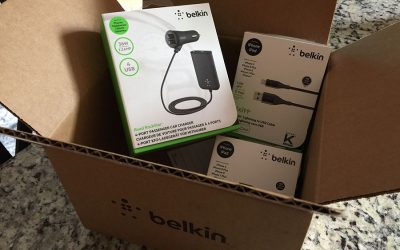
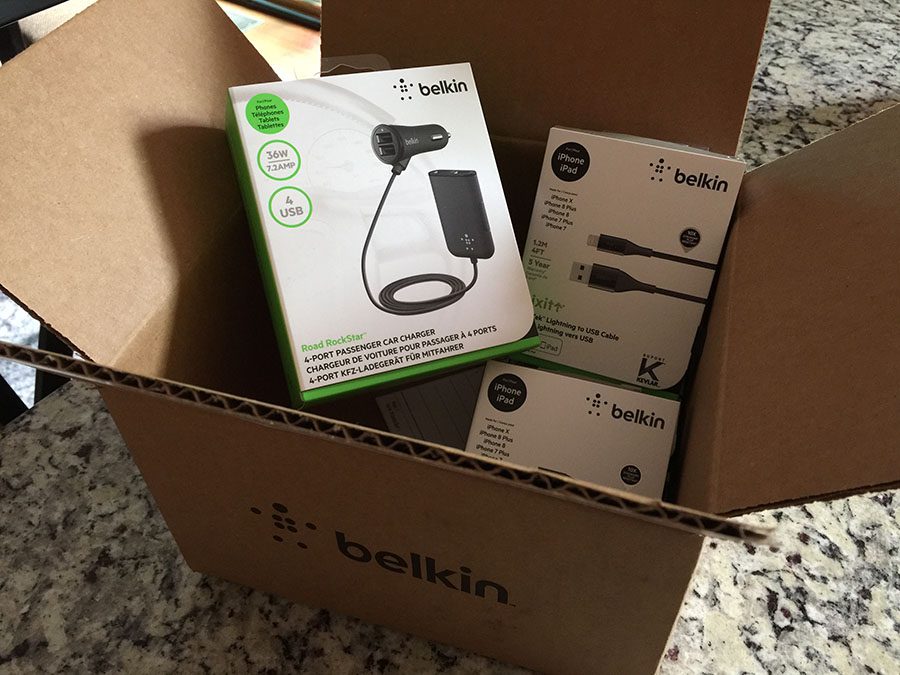
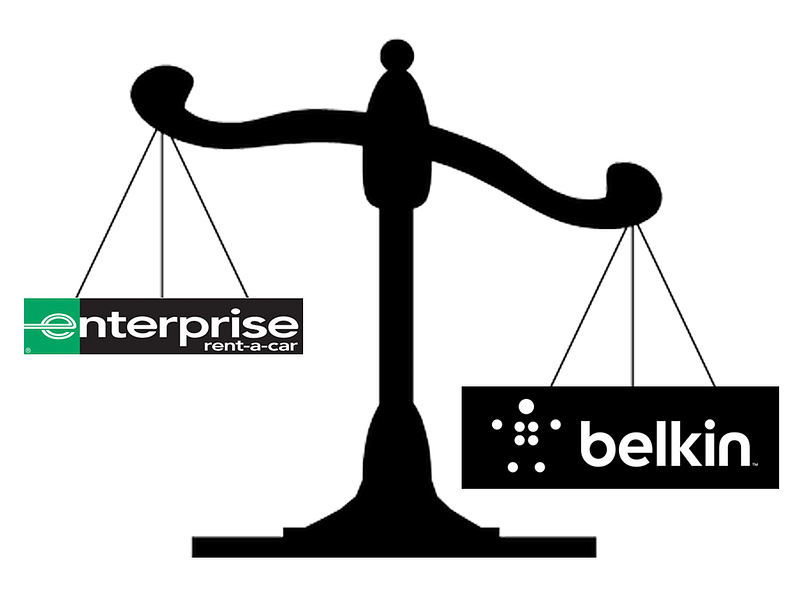
I’d like to share my latest retail customer experience renting a car. Lately when I travel, I’ve been using Lyft or Uber, but our latest trip to Hawaii required a car for the week. We booked the airfare and cashed in some credit card points that matched us with Enterprise Car Rental. So far, so good… Picked the car, staff seemed friendly (in an average way) but the office seemed more like a take-a-number driving bureau, even offering a lonely row of kiosks to avoid interacting with their staff I guess. The issue wasn’t the check-in, it was when I dropped the car back off. My mind was thinking about the gas tank being full… If I’m in the right line… Are we good on time to make the shuttle to the airport, etc. When I jumped out of the car you get hit with multiple questions as I’m grabbing suitcases and bags. To make a long story short… I forgot my favorite iPhone car charger… You see it’s not like any other iPhone car charger, it’s the Road Rockstar™ by Belkin. I’ve had it on all my road trips with associates and family… It has those additional 4-ports for additional charging. I really liked that charger, haha. For me, Belkin is one my favorite brands when it comes to my digital lifestyle. As I watched this younger worker drive off with my rental I had this feeling that I forgot something. It wasn’t until we took off that I realized what I forgot.

“My Loss is really Enterprise’s Loss”

My first attempt at recovery was to forward my email contract over to their office with a note about my charger. I figured after the 9 hour flight, I would have gotten a response. We landed, drove home then called the location later that evening due to the 6 hour time difference. I spoke with lost & found employee and she abruptly said it’s not here. It kind of caught me off guard, so I asked are you sure? “It looks a little different than your normal phone car charger.” She put me on hold for a little longer came back and said it’s not there. Okay, I understood (and probably expected it not getting turned in) -So is there a way to see who cleaned my car? Or if it’s currently being rented out and possibly reaching out to the new customer? She put me on hold again and this time it was for 12 minutes and then it hung up. As a customer, my mind shifted from “it’s my fault” to who took/stole my iphone car charger? I tried calling back and got voicemail. I tried a few more times and no luck, very frustrating. I mean, it’s not like they could call me back right? So the next step for me was to go social. I posted a negative review on Google Maps, along with a flurry of tweets and shares on Facebook to share my customer experience. All I got was generic replies saying upper management will be in touch (never did), and/or if we find we will be in touch. I don’t consider this real engagement, now if they called me back and explained the process of where the car goes after check-in and that they really exhausted all options looking I would have felt better, and realizing that it was my fault for leaving it. As I’m typing this post… I’m thinking how sad is it that items left behind aren’t returned usually or expected to be? It makes me not want to rent from them again unfortunately. This whole process reminds me of a book intro that was just shared from John Andrews and Ted Rubin called of all things… Retail Relevancy. Their upcoming book explores how brands and retailers can thrive in the future by being relevant in consumers minds which is now more important than ever. I think I’ll ship one to Enterprise when it’s out :-).

Okay enough doom and gloom, because I went social with my issues… the Belkincares Teamstarted reaching out to me. First, I received a mention on Twitter, (which included Enterprise) then a DM saying send me your address. THE NEXT DAY I had a new Road Rockstar Car Charger!! Also, they threw in some additional DuraTek™ Lightning to USB Cables. The level of trust and loyalty I have using Belkin’s products has never been higher because of their customer service and when it’s time to make another digital accessory purchase I won’t even shop around because of this connection I feel with this brand.

If retailers would actually roll their sleeves up and start taking social media seriously they have chance to evolve and survive the “retail apocalypse” and truly become retail relevant.Incorporate a team that truly listens to real conversations and requires a marketing strategy that rates SOV (share of voice) over Page One clicks from Google is a must. Just like food trucks, big corporations can scale 1-to-1 customer relationships like never before by using apps like Photofy, for in-the-moment content creation and Hootsuite for monitoring, listening, curating & posting. With a little extra effort Enterprise Car Rental could have built a relationship instead of wasting one.
100 Hours Makes Your Teen Road Ready

100 Hours Makes Your Teen Road Ready

Drivers Education sure has evolved since I took it back in the late 80’s. I’ve had the pleasure working with DriveTeam for a long time now, with my youngest just finishing up their teen program called “Performance Based Driver Education” The difference between DriveTeam and their competition is their customized curriculum that goes above and beyond state requirements. The secret sauce is holding the parents accountable in their teen’s training. DriveTeam requires the parent to spend 100 hours driving with your teen. Think about that for a second… 100 hours is a lot of driving.

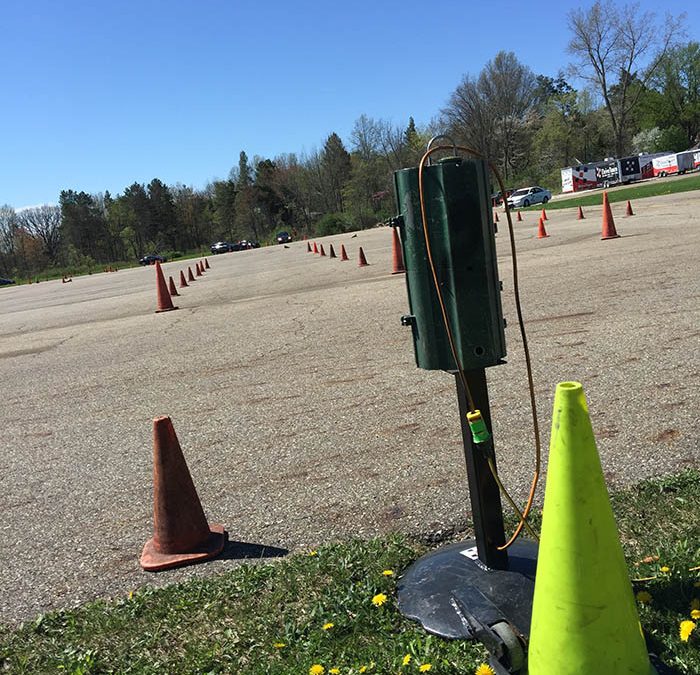
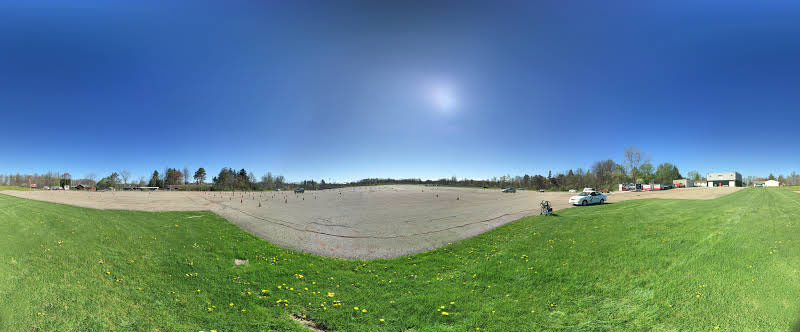
At first, it was pretty overwhelming, but the DriveTeam Instructors broke the learning process down, and also let us ride through their private vehicle dynamics course the teens learn on. The program kicks off with a 2-Day Skills Weekend, and the teens get hands-on training on the driving range for nearly 14-16 hours. After the initial weekend, that’s where it’s the parents job to continue the momentum.

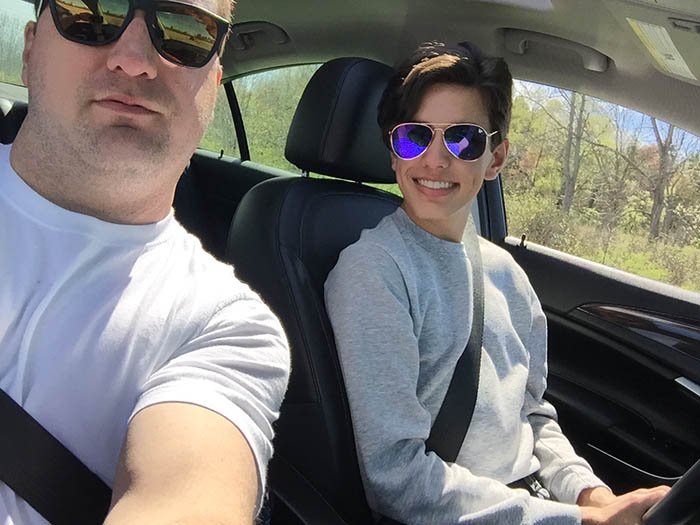
The way I mapped it out with Carter was creating a consistent driving schedule with him. At least one day during the week, and usually back-to-back driving days on the weekends. We would keep it to about 3 hours of driving, with stopping, stretching each hour. After the first couple of drives I could tell Carter’s driving skills advancing pretty quickly. We were hitting residential and rural roads mostly. One take away from these “100 hours”, it provides a time to sort of un-plug from both of your days normal schedules. So it was great just having conversations with your teen. A lot of the conversations were about driving, and driving scenarios, or providing instances when other drivers are not following the rules. Through this process, it made me aware on how distracted drivers really are now. I’ve never witnessed more cars swerving left of center in my life, which usually involves a smartphone in their hand.

Residential

Rural

City Streets & Downtown

Highways

When we were driving in residential areas we spent a lot of time focusing on turning left, right and controlling the car’s speed. We did a ton of backing in and out of driveways using mirrors and noticing where the blind spots are. Rural driving allowed Carter to work on good lane positions, sign comprehension, speed adjustments, and learning all these places in the country by our home town. For city streets, we would drive down to Akron, Ohio usually. Intersections, lane changes were the biggest adjustment I noticed Carter dealing with. With the environment speeding up around the car, it made his decision making that much more important. Proper spacing was another important factor when driving in the city, there was a lot of unpredictable changes with traffic so maintaining that 3 second spacing while moving was crucial. While driving on the highway, we worked on lane positions, signs, correct speed, and starting getting into mapping routes. The deeper we got into those 100 hours, we started to look forward exploring new areas every week.

The Phone

I know this can be a controversial topic with how distracting they can be, but I believe the phone can be an extension of the dashboard. As we started planning our routes, we used the driving app Waze, which is powered by Google Maps. When the app is open, it forces the teen driver to view the device as a map, not the social device it usually is. Waze provides insights from other drivers in real time, which reduces traffic, keeping people safe, and making roads better for travel. For the dashboard mount, we use the Belkin Car Mount Vent. It’s simple, secure, and clips right into the vent. I know some parents don’t want the phone anywhere near their teen, but my thought is to teach them how to leverage the technology to their advantage in the safest way possible.

In-Cars

While you’re on this epic driving journey with your teen, they also are doing their 6 in-car lessons with a DriveTeam Instructor. They want at least 10 hours of driving in between in-cars with your teen. The in-cars help parents out in terms of getting that feedback from DriveTeam regarding your teen’s driving strengths and weaknesses. It all comes full circle to that term “Performance Based”.

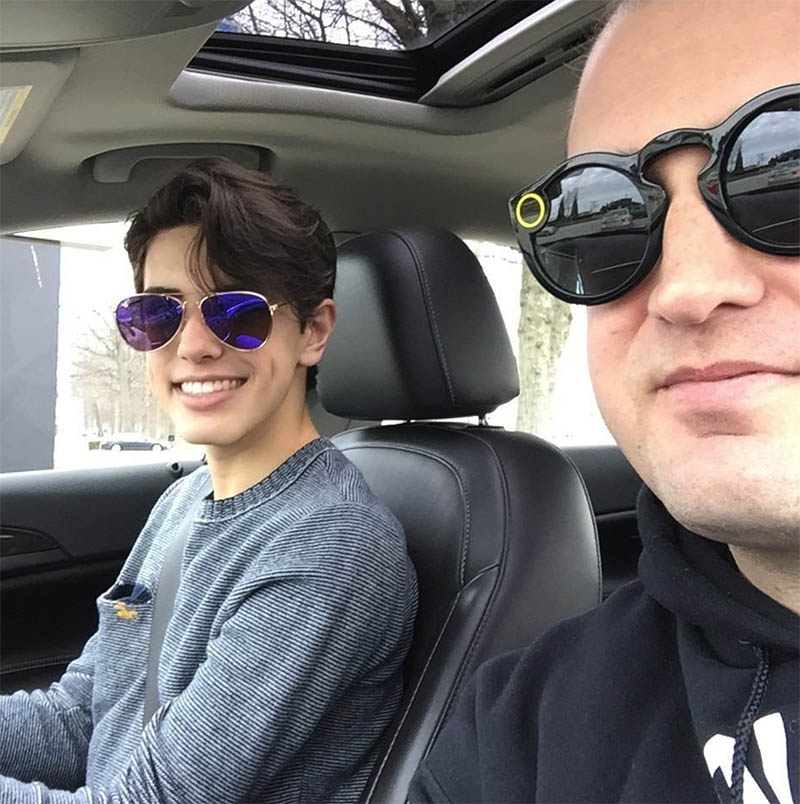
When we were getting into the “70s” hours of driving, I felt like I had my own Uber driver or something. The progress the teen makes with this much hands-on training is unmatched in the State of Ohio. Along with the skill level increasing, I noticed Carter’s overall confidence was increasing as well. DriveTeam uses specific words that connect the dots to safer driving. Knowledge, Skills, and Decision Making are three words I’ll never forget… In fact, if you apply those words to your everyday life, I think karma will be on your side more times than not.

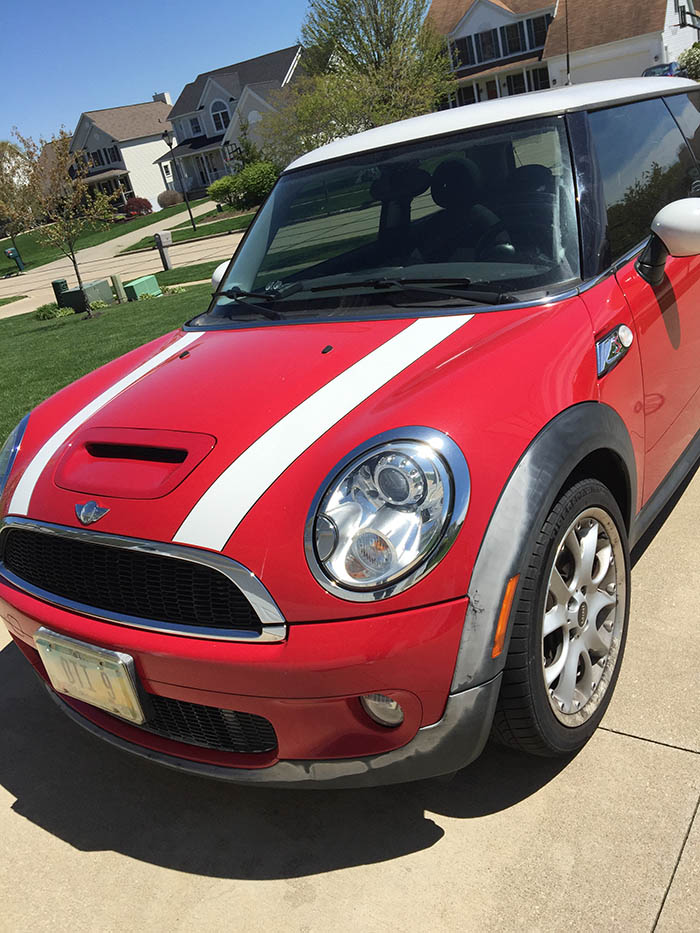
As we concluded our 100 hours together, it really brought me peace of mind knowing how much work Carter put into his driver training, and I got to witness it hands-on. From all the driveways, side streets, highways, parking lots, city streets, to the country I know DriveTeam put Carter in the best position as he enters a new chapter into his life. Carter it was a pleasure riding shotgun with you all those hours 🙂

Carter is Road Ready.

WordCamp North Canton Presentations

WordCamp North Canton Presentations

WordCamp North Canton 2014

WordPress Security – Demystified
This presentation will cover current WordPress security issues and different types of attacks. Learn how to protect your website or blog from hackers that are constantly trying to compromise networks. I’ll be sharing our favorite security plugins along with real world security stories that involved some of the biggest hosting and security companies which led to a meeting with the FBI.

WordCamp North Canton 2013

Let’s Get Social!
We will be covering how social media is becoming integrated into search engines, along with engagement strategies using Google+, Facebook, Linkedin, Twitter, Pinterest. Lastly we will discuss Return on Investment vs. Return on Relationship.

We were a Zero Waste Event!

Zero Waste WordCamp: how WordCamp North Canton went green

The Strategy for Success

  • Green Venue: They hosted the event at the Stark State College Business and Entrepreneurial Center, a LEED Silver-certified building designed for energy and water reduction.
  • Zero-Waste Stations: Partnered with college students to run disposal stations that provided clear instructions on separating recyclables, compostables, and liquids.
  • Sustainable Sourcing: * Lunch: Partnered with a local pizza shop (Ermanno’s) that used compostable plates, forks, and napkins.
  • Breakfast: Worked with Four Kids Coffee for organic, fair-trade coffee and vegan pastries (which were a hit with attendees).
  • Eliminating Plastic: They refused to provide bottled water. Instead, every attendee received a reusable water bottle at check-in to use at the building’s filling stations.

Attendee Engagement

The organizers emphasized that transparency was key. By announcing the zero-waste goal via social media beforehand and making reminder announcements throughout the day, attendees became active participants. The effort even trended on Twitter under the event hashtag (#WCNC2013).

Actionable Tips for Organizers

The post concludes with advice for others looking to “go green”:

  1. Recruit Conscious Teams: Start with an organizing team that values sustainability.
  2. Pick Green Venues: Look for LEED-certified buildings.
  3. Vetting Vendors: Choose caterers who already use sustainable products or source locally.
  4. Manage Leftovers: Research “food rescue” organizations to donate excess meals.
  5. Eco-Friendly Swag: Prioritize reusable items (like water bottles) and print on both sides of paper (or not at all).
  6. Communication: Make the mission fun and report the final results to the community so they feel part of the success.

Key Quote for Repurposing: > “Don’t do nothing because you can’t do everything. Do something. Anything.” — Colleen Patrick-Goudreau

More Than Just a Conference: The Heart of WordCamp

WordCamp North Canton is returning for its third year in 2015, and it’s about much more than just sitting in a dark room watching slide decks. At its core, a WordCamp is a community-driven casual conference that brings together everyone from casual bloggers to high-end core developers. It’s a space where the “democratization of publishing” comes to life, offering a unique mix of technical deep-dives, creative design inspiration, and savvy business strategies. Whether you are looking to master the Rest API or simply trying to figure out how to install your first plugin, there is a seat at the table for you.


Beyond the sessions, the real magic happens in the hallways. WordCamps are famous for their “unconference” feel, where the person sitting next to you might be the author of the theme you use every day. It’s an environment built on the spirit of open source: sharing knowledge freely, troubleshooting bugs over coffee, and building a local network that lasts long after the final session ends. We’ve designed this year’s event to maximize those connections, ensuring that every attendee walks away with new skills and a few new friends in the WordPress ecosystem.


More Basecamp Beacon Articles

100 Hours Makes Your Teen Road Ready

100 Hours Makes Your Teen Road Ready

Drivers Education sure has evolved since I took it back in the late 80's. I've had the pleasure working with DriveTeam for a long time now, with my youngest just finishing up their teen program called "Performance Based Driver Education" The difference between...
Social Search & Rescue Workshop

Social Search & Rescue Workshop

SSR Workshop

Thursday March 20th, 2014 – 7p-8:30p

Location:
Raymond James Financial Services, Inc. (Conference Room)
387 Medina Road, Suite 500
Medina, Ohio 44256

SSR Workshop #2 Agenda

  • Workshop Overview
  • Avalanche Media Works Keynote Covering Facebook for Business
  • Hands-On Workshop
  • Work with Attendee’s Profiles
  • Engagement Strategies
  • Close – Q & A

Cost: Free

Complimentary WI-FI… Please bring your laptop or tablet!

Only 10 Spots, Limited Seating Sign-up below!!

Event is Full